The first signs are often at the edges
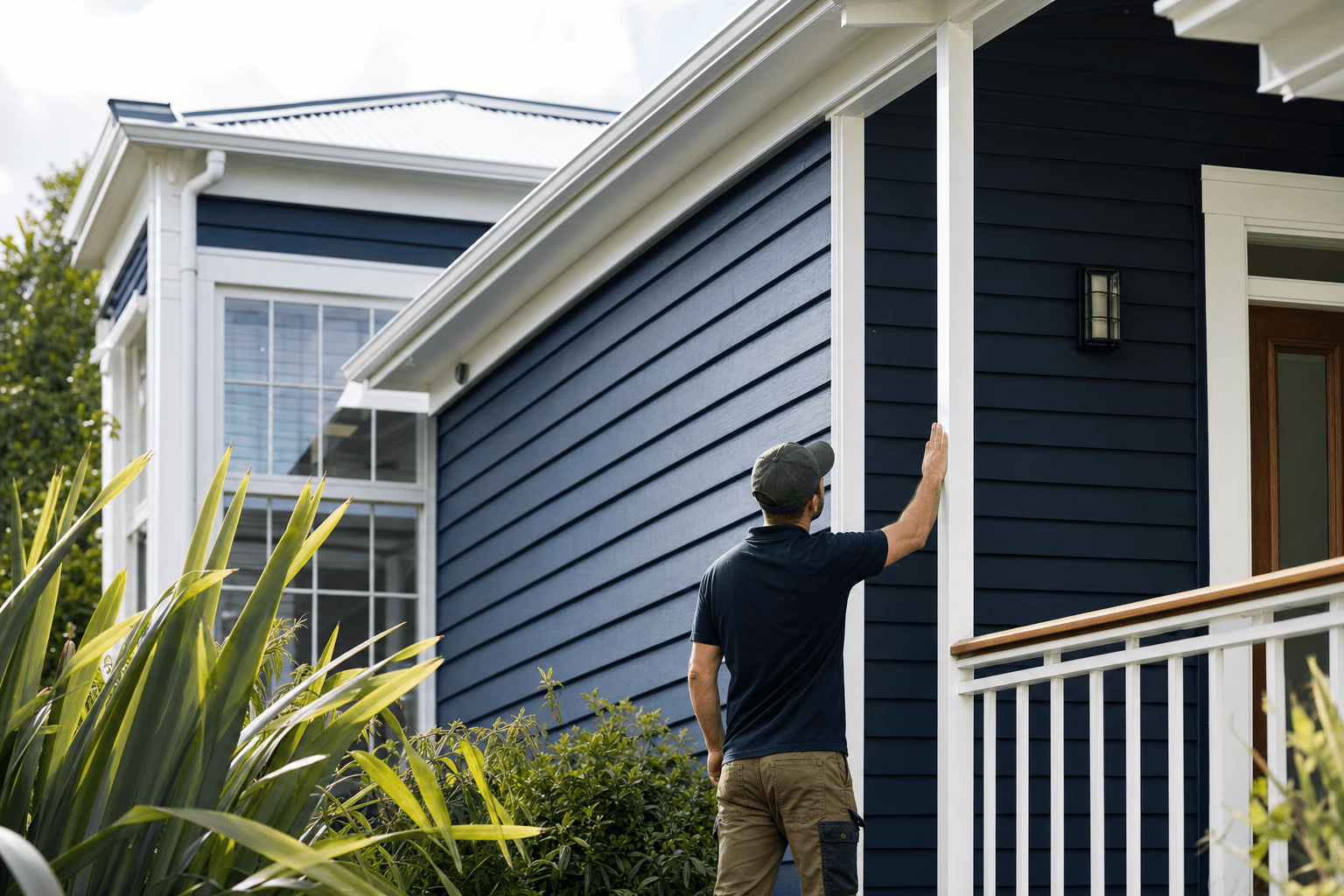
Look closely at the ends of boards, joins around windows, corners, and the lower part of the wall. These areas receive more water and movement than the broad face of the cladding. Fading is normal; soft timber, open joints, blistering, and paint that lifts from the surface deserve closer attention.
Shade and nearby planting can make one side of an Auckland home weather differently from another. A north-facing wall may fade while a damp south-facing elevation develops mould or stays wet for longer. Maintenance should follow those conditions rather than assume the whole exterior is wearing evenly.
Keep repair and repainting in the right order
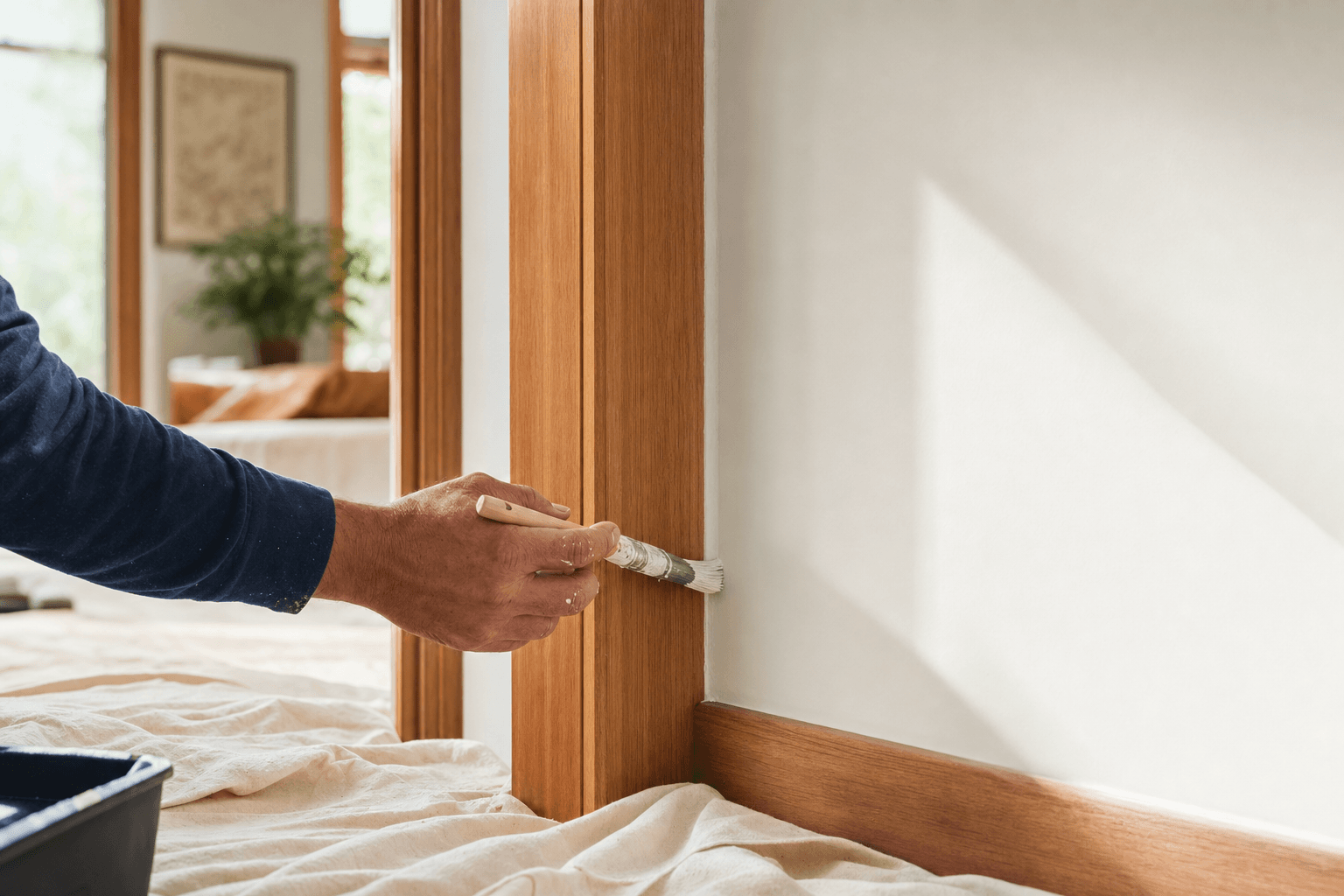
If a board or trim is damaged, repair that detail before applying a new finish. Clean, dry, sound timber gives paint a better chance to do its job. Surface preparation is not a separate luxury; it is what stops a fresh coat from making an old problem look newer for a few weeks.
For a property that needs more than a single touch-up, a site conversation can help set priorities. We provide exterior care, repairs, and painting support for Auckland homes and small properties.
Common questions
How do I know if weatherboards need repair or just paint?
Check for softness, movement, open joins, swelling, or persistent dark areas. Those signs point to a repair or moisture issue that should be addressed before repainting.